Tire Age & DOT Codes: What Really Matters for Performance?
Learn about what determines tire performance and safety prior to installation.
If you've ever noticed a string of numbers on your tire beginning with "DOT," you're not alone in wondering: Is my tire too old to be safe? Let's clear up some common misconceptions around tire age, DOT codes, and - most importantly - what truly impacts performance.
Understanding the DOT Code and Common Concerns
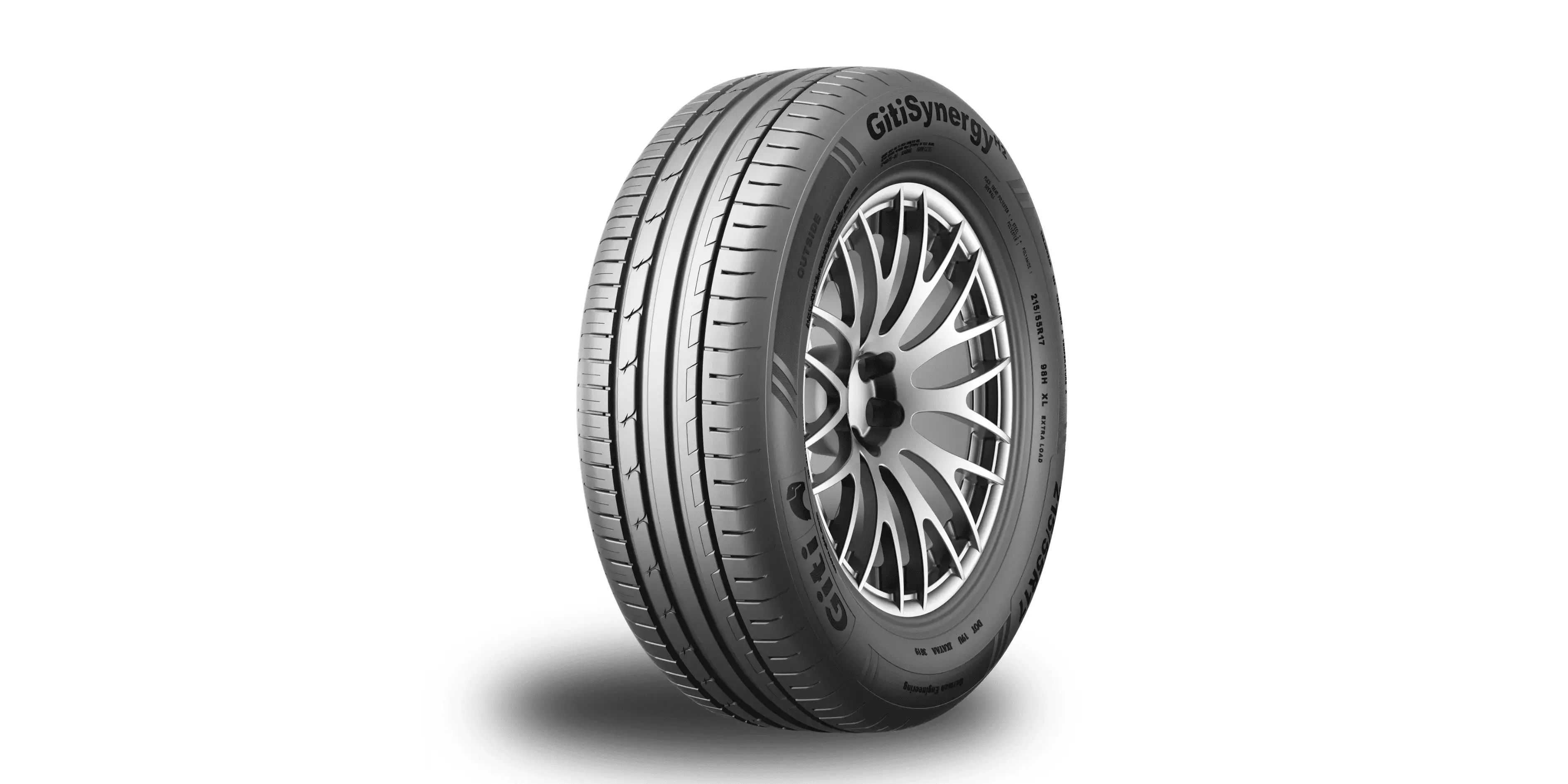
The DOT code on a tire's sidewall indicates when and where it was manufactured. The last four digits of this code represent the week and year of production—e.g., "3524" means the 35th week of 2024. Many consumers believe that a tire becomes unsafe strictly based on age—often citing a "six-year rule." But research and field data show that tire performance isn't determined by the number on the sidewall alone.
Does Tire Age Affect Performance?
While tire age may be a huge concern for many people, tire experts and verteran drivers pay more attention to the way in which tires are constructed and stored, rather than when the tire was made. While tires do indeed come with a "birth date", the age of a tire has little effect on the performance of a tire.
While tires are made from rubber compounds that can change over time, the performance impacting changes mainly occur when the tires are exposed to heat, UV rays, ozone, and moisture. Prolonged exposure to such conditions may lead to compound hardening, surface cracking, or reduced grip—but only if the tire has been poorly stored or exposed to the elements.
What Research Says
Several independent organizations and technical bodies have conducted studies on tire aging. Here’s what they found:
- The British Rubber Manufacturers Association (BRMA) concluded that tires stored in proper conditions—away from heat, light, ozone, and moisture—do not exhibit significant degradation for up to 6 years. They also stated that tire aging depends more on environmental exposure than on the date of manufacture alone. [¹]
- The European Tyre and Rim Technical Organisation (ETRTO) has also emphasized that tire aging cannot be evaluated solely by date of manufacture, and that tires stored under controlled conditions may remain suitable for use for several years. They recommend regular inspections once tires are in service rather than replacement based on age alone. [²]
- The U.S. National Highway Traffic Safety Administration (NHTSA) conducted tire aging research that found heat is a major accelerant of tire degradation, particularly in high-temperature regions like the U.S. Southwest. However, tires stored in cooler, climate-controlled environments aged far more slowly, indicating that storage conditions are a key determinant of long-term safety. [³]
Why Tire Construction and Storage Matter More Than Age
Tire performance is fundamentally tied to its construction quality and how it was stored before being used. Advances in materials science mean that modern tires use stabilized rubber compounds, reinforced casing designs, and anti-oxidation agents to resist aging.
When a tire is stored in a dry, dark, temperature-controlled warehouse, its chemical and structural integrity is preserved. This means that a tire manufactured several years ago but kept in ideal conditions can perform similarly to one just off the production line.
Practical Advice for Drivers
- Check your tire’s DOT code, but don't rely on it as the sole indicator of safety.
- Buy from reputable retailers who can verify proper storage practices.
- Inspect tires regularly for cracks, bulges, or low tread—especially after more than 5 years in service.
- Replace tires based on wear, damage, or signs of aging during use, not age alone.
Conclusion: Age Isn’t the Only Factor
While it's important to be aware of your tire’s age, what truly matters is how it was made and how it’s been stored. A well-engineered tire that’s been properly stored for more than 5 years can still perform at a high level.
So, the next time you’re checking your tires, remember: the DOT code tells you when your tire was born, but its condition tells you whether it's ready for the road.
References
[¹] British Rubber Manufacturers Association (BRMA), Tire Aging and Storage Technical Bulletin
[²] European Tyre and Rim Technical Organisation (ETRTO), Recommendations on Tire Storage and Service Life
[³] U.S. National Highway Traffic Safety Administration (NHTSA), Tire Aging: A Summary of NHTSA’s Research



%20.jpg)