We detected that you are browsing from
Choose where you’d like to go:
We detected that you are browsing from
Choose where you’d like to go:
Explore essential knowledge, engineering insights and practical guides designed to help you get the most from every journey.
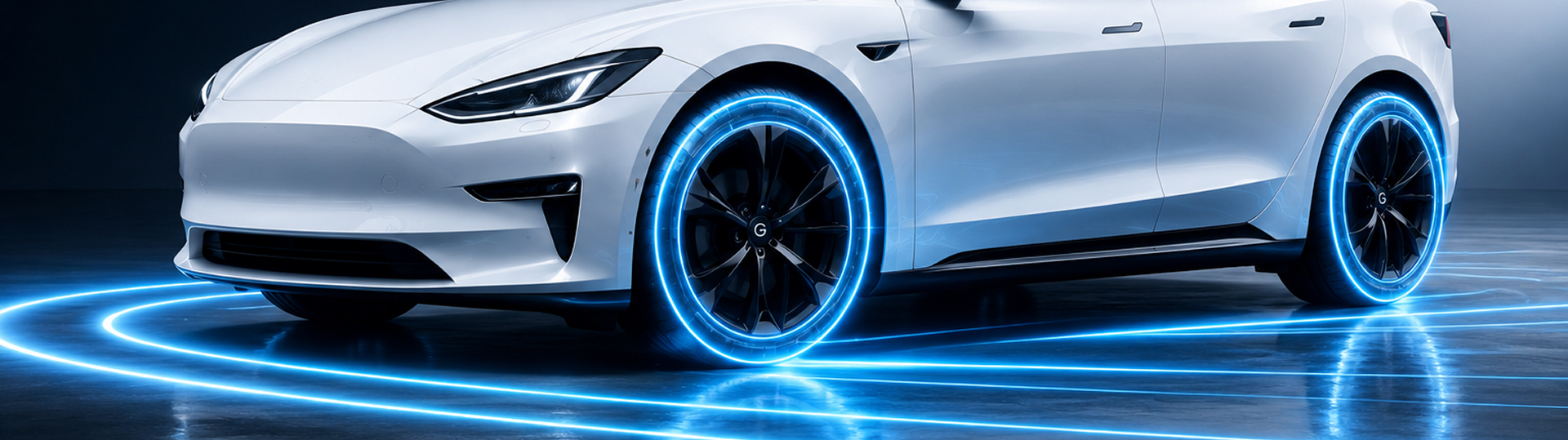
EV tires must manage several characteristics that can be more demanding on an electric vehicle: higher vehicle mass from the battery, immediate torque delivery, sensitivity to rolling resistance and greater awareness of tire noise because the electric powertrain is quieter. Tire engineers therefore balance load capability, durability, efficiency, grip and noise when developing tires for EV applications.
| EV Characteristic | Why It Matters to the Tire | Engineering Response |
|---|---|---|
| Battery weight | Can increase load on the tires | Appropriate load capacity and reinforced construction |
| Instant torque | Can place greater stress on the tread | Compound and tread optimisation |
| Driving range | Tire energy loss affects efficiency | Low rolling resistance |
| Quiet powertrain | Road/tire noise becomes more noticeable | Noise and vibration optimisation |
| EV performance | Grip and braking remain critical | Compound, tread and structural optimisation |
Not necessarily.
A tire must first be suitable for the vehicle's required size, load, speed and performance specifications.
Some modern tires are engineered to work across multiple powertrains rather than being exclusively for battery-electric vehicles.
For example, Giti's AdvanZtech EV-ready strategy includes tires engineered for use across ICE, mild hybrid, plug-in hybrid and battery-electric vehicles in appropriate sizes and applications.
This is a useful point for Giti because it is more technically credible than saying “EVs need special EV tires” in every circumstance.
EV tire engineering is about balancing the additional demands created by electrification—not simply putting an “EV” label on the sidewall.

How Do I Choose the Right Tires for an Electric Vehicle?
 Back To Top


