We detected that you are browsing from
Choose where you’d like to go:
We detected that you are browsing from
Choose where you’d like to go:
Explore essential knowledge, engineering insights and practical guides designed to help you get the most from every journey.
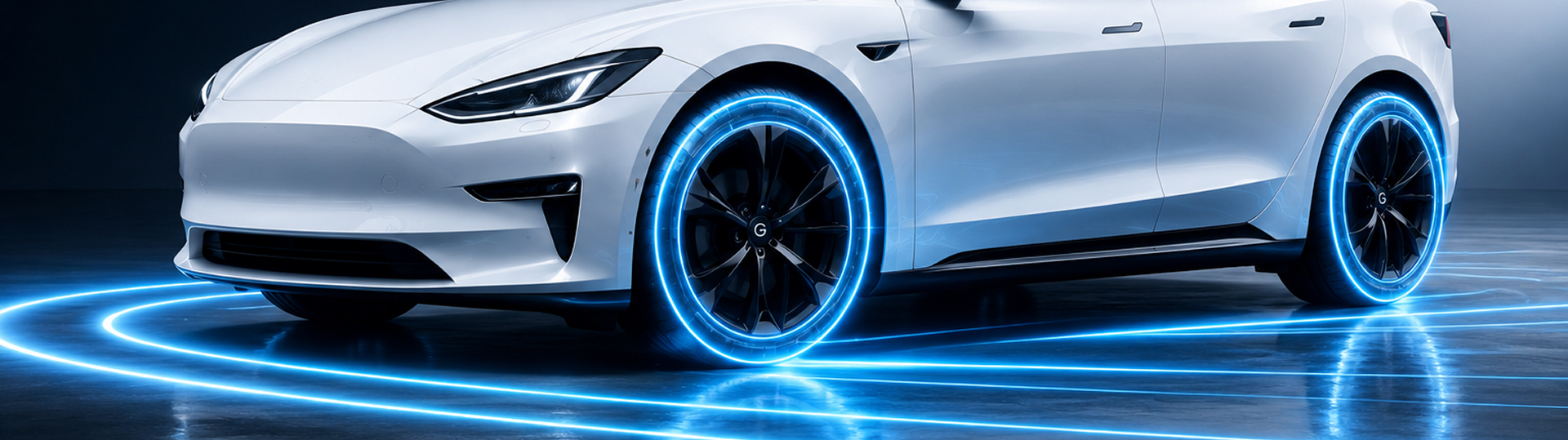
When choosing tires for an electric vehicle (EV), start with the vehicle manufacturer's specified tire size, load index and speed rating. Then consider key EV performance requirements including load capacity, rolling resistance, wet and dry grip, durability, noise comfort and handling. The right EV tire should balance efficiency, safety and performance rather than optimize any single characteristic.
Electric vehicles can place different demands on tires compared with conventional vehicles. Battery weight, instant torque, quieter powertrains and the importance of energy efficiency can all influence tire requirements.
Here are six important factors to consider.
Always begin with the tire specifications recommended by the vehicle manufacturer.
Electric vehicles can carry significant battery weight, which can increase the load placed on the tires. The tire must therefore have the correct load index and load-carrying capability specified for the vehicle.
Check your vehicle owner's manual, tire information placard or manufacturer recommendations before selecting replacement tires.
Why it matters for EVs:
The correct load capability helps the tire support the vehicle while maintaining intended handling, stability and durability.
Rolling resistance is the energy a tire loses as it deforms while traveling along the road.
Reducing this energy loss can help an EV use its battery energy more efficiently.
However, choosing an EV tire should not be based on rolling resistance alone. Tire engineers must balance efficiency against other important characteristics such as grip, braking, handling and durability.
Giti engineering focus:
Giti develops low rolling resistance technologies through the optimization of tire compounds, materials, structures and tire profiles, with the objective of reducing energy loss while maintaining other essential performance characteristics.
Safety remains fundamental regardless of the vehicle's powertrain.
EV tires need to provide predictable braking and handling across changing road conditions while managing the vehicle's weight and torque.
Tread pattern, groove design, tire compound and the size and stability of the contact patch can all influence grip.
Giti engineering focus:
Giti applies advanced compound and tread technologies to balance road contact, water evacuation, braking and handling performance.
Instant torque and vehicle weight can place additional demands on a tire, although actual wear depends on many factors including vehicle design, driving style, tire pressure, alignment and road conditions.
When choosing tires for an EV, consider both the tire's structural capability and its wear characteristics.
Giti engineering focus:
Giti uses structural reinforcement, compound development and footprint optimization to address durability and wear requirements for electrified vehicles.
Electric motors are much quieter than internal combustion engines, which can make tire and road noise more noticeable inside the cabin.
Tread pattern design, tire construction and acoustic technologies can therefore play an important role in EV driving comfort.
Giti engineering focus:
Selected Giti tires incorporate GitiSilent technology, designed to reduce tire cavity noise and vibration for a quieter driving experience.
When available for your vehicle, an Original Equipment (OE) approved tire provides another useful consideration.
OE tires are developed or validated against requirements established for a specific vehicle program. These requirements can include areas such as handling, efficiency, comfort, noise, durability and safety.
Giti's EV engineering capabilities include OE development programs with global vehicle manufacturers.
For example, the GitiSynergy H3 in 245/40 R20 99Y XL has been homologated for the all-electric BMW iX1 and BMW iX2 and carries the BMW * marking.
This provides strong evidence of Giti's ability to develop tires against the specific engineering requirements of electric vehicles.
Not necessarily.
A tire does not need to carry an "EV" name to be suitable for an electric vehicle. What matters is whether the tire meets the size, load, speed and performance requirements specified for that particular vehicle.
Some tires are engineered to perform across several powertrain types, including internal combustion, hybrid, plug-in hybrid and battery-electric vehicles.
Before choosing replacement tires for an electric vehicle, check:
✓ Correct tire size
✓ Correct load index
✓ Correct speed rating
✓ Vehicle manufacturer recommendations
✓ Rolling resistance / energy efficiency
✓ Wet and dry grip
✓ Durability and wear characteristics
✓ Tire and road noise performance
✓ OE homologation, where applicable
The right EV tire should match the vehicle manufacturer's specifications while balancing load capability, energy efficiency, grip, durability, handling and noise comfort. Giti applies these principles through its EV-ready tire engineering and Original Equipment development programs.

Do electric vehicles need special tires?
 Back To Top


